Product Testing Programs: How to Get Started
Most product testing pays in free products, not cash. How Amazon Vine, Influenster, BzzAgent and paid taste tests choose people, what they expect, and the rules on reviews.
Verified by the editorial teamEligibility, obligations and stated pay checked against each program's own pages; review rules against the FTC's,
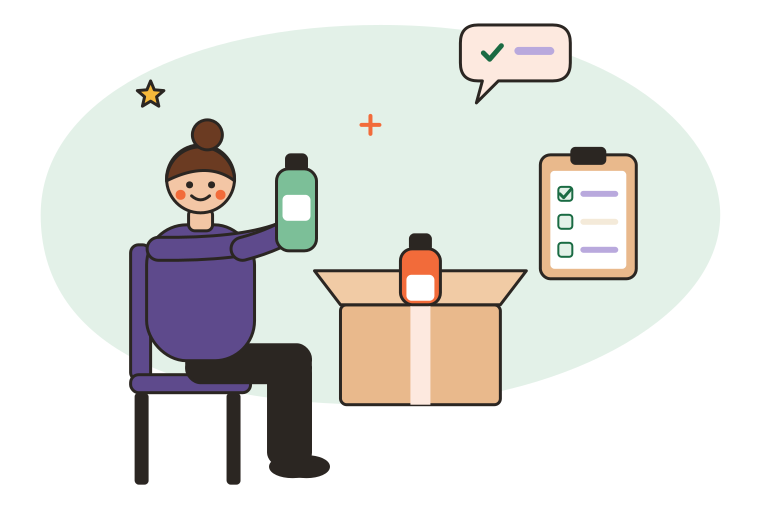
"Get paid to test products" is mostly half true. The real programs do send you things to try, and you usually keep them. What they rarely do is pay you money: the product is the payment, and your opinion is the work. Cash exists too, mainly for taste tests and studies at research facilities, if you live near one. Here's how both kinds work, how people get picked, and the rules you take on when you post a review.
Two kinds of product testing
Home testing programs send products to your door in exchange for feedback: a survey, a review, sometimes social media posts. Amazon Vine, Influenster, BzzAgent, Home Tester Club and Tryazon all work this way. BzzAgent states it plainly: participation is free and members are not paid for their reviews. Amazon says the same of its Vine Voices, who are not paid to participate.
Research studies are run by companies or research firms who want to watch real people use, taste or smell something under controlled conditions. Some happen at home, many at a local facility. These are the ones that pay money, usually as an honorarium or a gift card.
How the home programs pick people
You don't browse a catalog and choose. Brands ask for testers who fit a profile, and the program matches them from its members. Influenster, for example, qualifies people through a pre-survey or an invitation based on the information you've already shared. BzzAgent emails you if it thinks you fit a campaign, and says that if you don't hear back, you weren't selected. Home Tester Club admits it has a large community and a limited number of products, and tells you within one to two weeks if you were picked. Tryazon also looks at your social accounts and who is actively sharing.
None of these programs publishes an acceptance rate. Expect to fill in several pre-surveys before a parcel arrives, and some months nothing at all.
Amazon Vine works differently: it's invitation only, and Amazon picks customers who consistently write insightful reviews. There's no application form.
Check the basics before you join. Influenster accepts members from age 16, though some programs need you to be 18; BzzAgent requires 18 and is open to residents of the US, the UK and Canada outside Quebec.
What you owe in return
A free product is a small contract. Influenster says that once you opt into a program, completing the required tasks is mandatory. BzzAgent campaigns mostly run for eight weeks, and members who do nothing aren't invited again. Amazon expects Vine Voices to use the products before reviewing them.
"Free" isn't always completely free either. Influenster notes that some programs send a promo code that heavily discounts the product rather than making it free, so read the offer before you accept it.
The good news: honesty is part of the deal. Home Tester Club says negative reviews won't affect your chances of being picked, and Amazon wants Vine reviews that are positive, neutral or negative.
Getting started
-
Join two or three programs, not ten
Pick ones that match your life: a beauty-focused program if you use a lot of cosmetics, a local taste-test facility if there's one near you.
-
Fill in your profile honestly
Programs match products to profiles. Invented answers get you picked for things you can't use, and your reviews will show it.
-
Answer pre-surveys quickly
Spots are limited. BzzAgent says that if you haven't been invited within a few days of a campaign launch, it probably isn't for you.
-
Do the tasks you signed up for
Programs track who completes surveys and reviews. People who don't are simply not invited again.
The testing that pays cash
If you want money rather than products, look for research facilities near you. Tasteocracy, which runs taste tests at a few US sites, publishes its typical hourly pay, delivered as virtual gift cards, and a smaller thank-you if you show up and are turned away because the study is already full (both are in the box below). Contract Testing, with facilities in many US cities, says most studies last about an hour and pay before you leave. Both need you to show up in person and match the study, and both limit how often you can take part.
What the paid kind of testing pays
Amounts published by research facilities that run in-person tests. Home testing programs pay in products, so they're not in this box.
- In-person study at a Contract Testing facility, about an hour (its FAQ minimum to its banner minimum)
- $20–$35 per session, if selected
- Taste test at a Tasteocracy facility (thank-you if turned away because the study is full, to its typical hourly pay)
- $25–$40 per visit of about an hour
Only if you live or work near one of their locations and match the study. Tasteocracy says most people can test once every 60 days, so this is occasional money, not a steady income.
Verified by the editorial teamContract Testing and Tasteocracy websites,
Brand-run programs exist too. Kenvue, the consumer health company, runs home-use tests, focus groups and sensory panels for US residents and may send an honorarium after a study, without saying how much.
The rules when you post a review
This is the part most testers miss. If you get a product free and write about it, the FTC treats that as an endorsement. Its Endorsement Guides say a free product is a "material connection" that must be disclosed clearly and conspicuously, whether or not the brand asked for a review.
In practice, the FTC's own FAQ says a line like "Thanks XYZ for the free product" is enough if that's all you got, while "Gifted" on its own is likely to be ambiguous without the brand's name. Amazon adds its own badge to Vine reviews and bans accepting free products from sellers outside the program.
The FTC's 2024 rule on fake reviews goes after businesses, not you: it's illegal for a company to offer anything in exchange for reviews expressing a particular sentiment, positive or negative. The FTC confirms the rule doesn't apply to consumers paid to write honest reviews. If a program only rewards five-star reviews, it's the program breaking the rules, and you should leave.
Product tester scams
"Product tester" is also a favorite disguise for scams. The FTC warns about jobs that ask you to receive packages, repackage them and send them on, sometimes with titles like "quality control manager": reshipping is never a real job. It also warns about "brushing", where you get a package you didn't order so someone can post a fake review in your name. You can keep it, but don't scan any QR code inside. And for any side gig, the FTC's rule holds: no legitimate gig will make you pay to get the job.
Real tester program or scam?
Walk away if the site…
- Asks you to pay for training, equipment or a "starter kit"
- Wants you to receive parcels and reship them to another address
- Sends a check and asks you to return part of it
- Offers extra money for positive reviews only
- Arrives as an unsolicited package with a QR code to scan
A legit site usually…
- Free to join, with the company behind it named
- Explains how people are selected and what you must do
- Welcomes honest, negative reviews
- Tells you to disclose free products when you post
Taxes
The IRS doesn't have a page on product testers. Its general rule is that property you receive for services is income at its fair market value, and cash honoraria and gift cards from studies are income too. A few samples a year won't change much; a steady stream of expensive items might, so keep a list of what you receive.
Is it worth it?
If you enjoy trying new things and writing about them, product testing is a pleasant way to get free stuff, and occasionally a gift card for an hour at a taste-test facility. If you're after money, it's one of the least reliable options on this site. We'd join one or two programs that match what you already buy, be honest in every review, and never pay anything to "unlock" testing.
You asked
Can I apply to Amazon Vine?
No. Vine is invitation only. Amazon says it invites customers who consistently write insightful reviews, so the only way in is to write useful reviews of things you actually bought.
Do I have to give a positive review?
No, and a legitimate program won't ask you to. Amazon expects Vine reviews to be honest, positive, neutral or negative, and BzzAgent tells members to say so if their experience was bad. Paying for reviews of a particular sentiment is banned by the FTC.
Do I keep the products?
In the home testing programs covered here, yes. Some programs send a promo code instead, which can make the product cheaper rather than free, so read the offer before opting in.
Are free products taxable?
Possibly. The IRS says property you receive for services counts as income at its fair market value. It has no page on product reviewers specifically, so if the value adds up, ask a tax adviser.
Read next
10 Legit Ways to Make Extra Money Online in Your Spare Time
Ten honest ways to earn a little online, from research studies and website tests to selling what you no longer use, with published pay rates and fees.
How Much Time Do Surveys Really Take? A Realistic Look
The minutes on a survey invitation only count the survey itself. Where the rest of your time goes: screen-outs, overruns, waiting and payout delays.
Paid Surveys: How They Work and What You Can Realistically Earn
Survey sites pay in points and small amounts, not wages. Where the money comes from, published rates, cash-out rules and why screen-outs matter so much.