Privacy and Paid Surveys: What Happens to Your Data
Survey panels pay you partly for your data. What Swagbucks, Survey Junkie, YouGov, Prolific and Branded Surveys say they collect and share, and how to limit it.
Verified by the editorial teamCollection, sharing and deletion rules checked against each panel's current privacy policy,
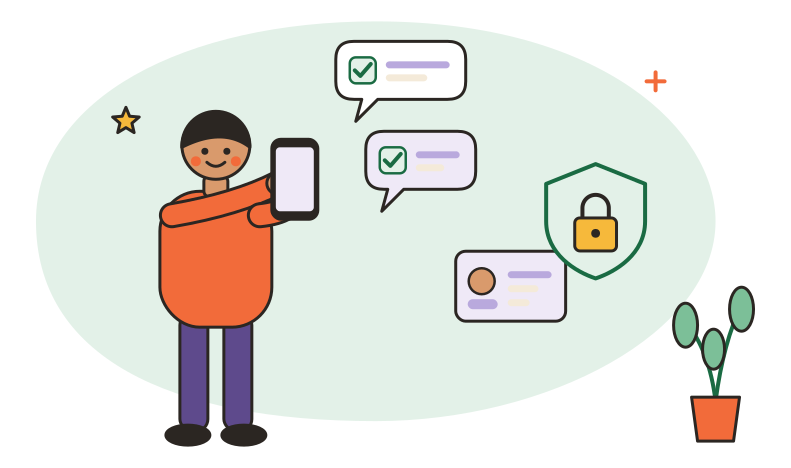
A paid survey looks like a trade of time for points. On most panels it's also a trade of data: your profile, your device, often your location, and sometimes a photo of your ID. None of that is hidden, it's all in the privacy policies, but few people read them before signing up. We did, for five of the best-known panels, and here's what they say, in plain terms, along with the rights you have to limit it.
What panels collect besides your answers
Your survey answers are the obvious part. Around them, panels build a profile so they can match you to studies and check you're a real, single person.
Prodege, the company behind Swagbucks and InboxDollars, says its services may collect location-aware and cross-device data for advertising and may use GPS to locate your device. Its policy also describes "session replay" tools that record mouse movements, clicks and key presses, to improve the service and prevent fraud. Survey Junkie's policy says it uses digital fingerprinting for quality control and fraud detection, to spot duplicate or fraudulent respondents. Branded Surveys, whose privacy page carries the policy of research company Dynata, uses digital fingerprinting for quality control and fraud detection too.
This isn't sinister in itself. Survey fraud is real, and researchers pay for answers from real people. But it means a panel knows more about you than the questions you answered.
Where your answers go
This is where panels differ most, and where their own policies are worth reading word for word.
Prodege (Swagbucks, InboxDollars). When you attempt a survey or offer, it may disclose your profile data and your survey responses to the third party running it. The policy says it may sell or share personal information as US state privacy laws define those terms, and it provides an opt-out at its "Do Not Sell" page.
Survey Junkie. Its privacy policy for UK and EEA users (dated May 2022) says the service is operated by DISQO, a market research company, and that DISQO "sells and shares this information to our clients so they better understand consumers."
Branded Surveys. The Dynata policy on its site says Dynata may sell aggregated or individualized personal information to third parties such as data brokers, and that six months after you go inactive it may transfer your data to a data broker for resale. Branded's own California notice adds that opting out of sale requires deleting your Branded account.
YouGov. It says published insights are anonymous, and that it shares identifiable data with clients or partners only if you've explicitly given permission, which you can manage on a permissions page.
Prolific. It says it doesn't share direct identifiers like your name or email with researchers: they see a Prolific ID instead.
Our view: none of this makes a panel a scam, but it should change which one you pick. If you'd rather your answers didn't end up with data brokers, favor panels that say they share only with permission or without identifiers, and use the opt-outs on the others.
Sensitive questions are optional
Surveys sometimes ask about health, ethnicity, religion, sexuality or immigration status, because some studies specifically need people from those groups. Every policy we read treats these as voluntary. Survey Junkie says you may refuse to answer these or any other questions. YouGov says you have complete control over the questions you answer. Prolific says answering is optional, most personal questions include "Rather not say", and you can withdraw consent by deleting an answer.
Skipping has a cost: fewer invitations. That's a fair trade to make on purpose.
The research industry's own codes back you up. The ICC/ESOMAR code says research participants have the right to decline participation, must be allowed to withdraw at any time, and that personal data shouldn't go to a client without consent for that purpose. The US Insights Association's code says research data must not be used to reveal a respondent's identity without consent. Panels aren't all members, but these are the standards to measure them against.
ID checks and selfies
Sooner or later, many panels ask you to prove who you are, usually before a payout. Swagbucks says the check is run by Persona and typically needs a photo of a government ID and a selfie. Prolific uses Onfido and says verification data is kept for three years from the check. Survey Junkie says it verifies identity through third-party companies and lets you refuse and choose an alternative method of verification.
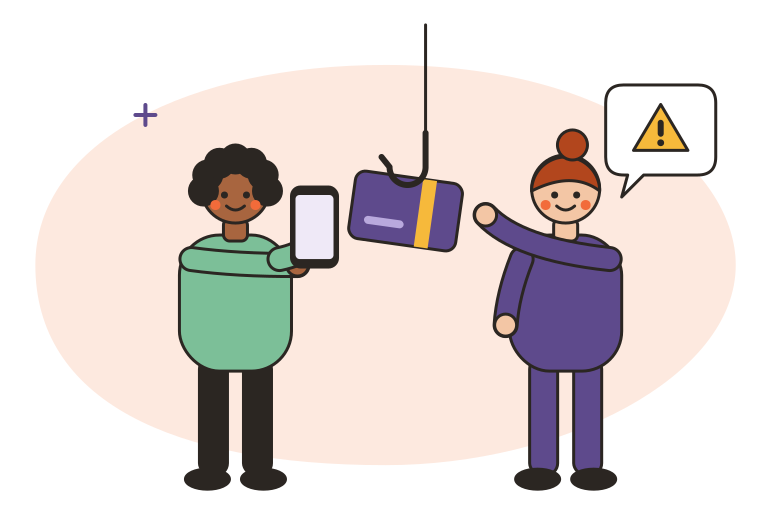
An ID check on a known panel, through its own website or app, is normal. An ID request by text message or email link is not: that's the pattern of the scams in our survey scam guide.
A privacy check before you sign up
Walk away if the site…
- No privacy policy, or one that doesn't name the company behind the site
- Asks for your Social Security number or bank login just to join
- Wants access to your email inbox or contacts with no clear reason
- No way to delete your account or opt out of sale
A legit site usually…
- Says who receives your answers and in what form
- Makes sensitive questions optional
- Offers a "Do Not Sell or Share" link and honors Global Privacy Control
- Tells you how long it keeps your data after you leave
Your rights, and how to use them
In the US, what you can demand depends on where you live. According to the IAPP's tracker, more than 20 states have passed comprehensive privacy laws, most of them already in force. California's is the best known: the state attorney general lists the right to know, delete and correct your data, to opt out of its sale or sharing, including through Global Privacy Control, and to limit the use of sensitive information. Once a business receives your opt-out, it can't sell or share your data.
Global Privacy Control is a browser setting that sends the opt-out automatically. Prodege and YouGov both say they honor it. In the UK and EU, Prolific's participants have the GDPR rights of access and erasure, and the UK regulator says an organization has one calendar month to respond to a deletion request.
Limiting what you share
-
Use a separate email address
It keeps survey mail apart from your bank and makes it easy to walk away. Don't link your main inbox or social accounts.
-
Skip what you're not comfortable with
Profile and survey questions about health, ethnicity, religion or sexuality can be skipped. You may get fewer surveys; that's the trade.
-
Opt out of sale and sharing
Use the panel's "Do Not Sell or Share" link, and turn on Global Privacy Control in your browser if it supports it.
-
Ask for deletion when you leave
Cash out first, then send a deletion request through the panel's privacy form or email, and keep the confirmation.
How long they keep it
Retention is where policies get vague. Prodege says it keeps data while your account is open and for three more years after it's closed, with exceptions either way. YouGov keeps most data for as long as you're a member. Prolific keeps most participant data for no more than 14 months after your last login or account closure, with longer periods for some records. Survey Junkie gives no fixed period.
Deleting your account usually wipes your points too: Swagbucks says unredeemed SB are permanently canceled. Cash out before you leave.
When things go wrong
Survey and reward sites hold exactly the kind of data criminals want. Breach database Have I Been Pwned lists, among others, the paid survey site SurveyLama in February 2024 with about 4.4 million accounts. We found no reported breach for the five panels above, which is not the same as a guarantee. A separate email address and a unique password limit the damage if it happens.
And be skeptical of promises in privacy policies themselves. In 2023 the FTC took action against Publishers Clearing House, whose policy had said it did not rent, license or sell consumer data while it shared data with other marketers. The FTC's advice on online quizzes applies to surveys too: the more you share, the more you risk it being misused.
Our take
You don't have to avoid survey panels to protect your privacy, but you should choose them the way you'd choose a bank: by reading who gets your information and how you get it back. Share what you're comfortable with, skip the rest, opt out where you can, and delete your account when you're done.
You asked
Do survey companies sell my answers?
Some say they may. Prodege, which runs Swagbucks and InboxDollars, says it may sell or share personal information under US state law definitions and offers an opt-out. Survey Junkie's policy says its operator, DISQO, sells and shares data with its clients. YouGov says it shares identifiable data with partners only with your explicit permission. Read the section on sale or sharing before you join.
Why does a survey site want a photo of my ID?
To stop fraud, such as one person running many accounts. Panels usually use outside verification companies: Swagbucks and InboxDollars name Persona, Prolific names Onfido. Check the policy for how long the images are kept.
Can I use a fake name or birthday?
Not safely. Panels check identities before paying, and invented details can get your account closed with your balance. If you don't want to share something, skip the question rather than making up an answer.
How do I delete my data?
Use the panel's privacy request form or email, which its privacy policy lists. Deleting an account usually cancels unredeemed points, so cash out first. Some data may be kept for a while for legal or fraud reasons, and the policy should say for how long.
Read next
How to Spot a Survey Scam Before You Sign Up
Real survey panels never charge you, never ask for your bank details by text and never pay you with a check. The warning signs, and what to do if you slipped.
How Much Time Do Surveys Really Take? A Realistic Look
The minutes on a survey invitation only count the survey itself. Where the rest of your time goes: screen-outs, overruns, waiting and payout delays.
Paid Surveys: How They Work and What You Can Realistically Earn
Survey sites pay in points and small amounts, not wages. Where the money comes from, published rates, cash-out rules and why screen-outs matter so much.